
Wow, this is wild. I installed Phantom last month to test a new Solana DApp. It felt fast and clean right away, like a browser-native wallet. Initially I thought browser extensions were clunky relics, but then I realized Phantom’s UX smoothed out many annoying friction points and actually made interacting with NFTs and Serum orders kind of pleasant. My instinct said somethin’ was different about the key handling.
Seriously, this surprised me. Setup took less than five minutes and the seed phrase explanation was straightforward. There are little niceties, like transaction previews and a visible network toggle that don’t feel hidden. On one hand I trust hardware wallets for large balances, though actually the extension’s connection prompts, origin identification, and permission granularity give a surprising amount of control and visibility even for mid-size trades. I will say the UI nudges you toward best practices.
Whoa, that’s slick. But here’s the thing about extensions: permissions matter more than bells. Phantom stores keys locally and is non-custodial, which is exactly why you should be careful with your device. Something felt off about a website I tried—its domain looked similar but had a tiny typo, and Phantom blocked the signature request until I verified the URL. My instinct said to double-check that domain name before approving anything.
Hmm, I hesitated for a second. The community around Solana moves fast and that sometimes creates messy UX for emerging projects. Phantom’s recent updates aim to reduce integration pains with clearer RPC selection and devtool hints. Initially I thought adding another extension would slow me down, but after trying out its transaction batching and token management tools I found my workflow actually sped up, particularly when moving NFTs across marketplaces and when consolidating small token dust. That doesn’t mean Phantom is perfect or immune to bugs.
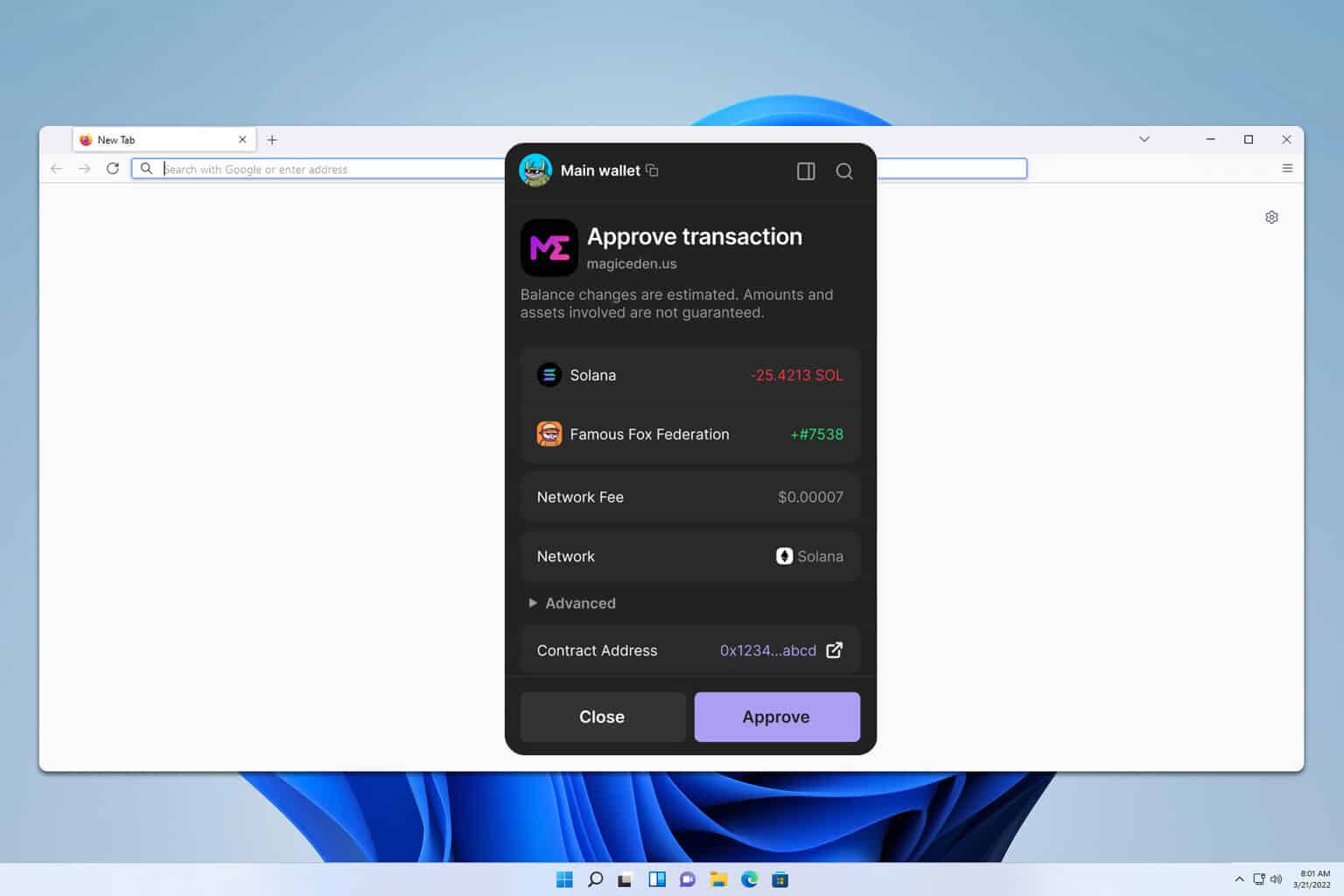
Okay, so check this out— When you connect a hardware wallet via Phantom, the UI walks you through steps clearly. I’m biased, but for daily traders who keep moderate balances in hot wallets, the balance between convenience and safety Phantom hits feels reasonable; on the other hand, custodial solutions still win for the absolute unbothered convenience with insurance and support, though you trade away private-key control. If you care about speed, Solana’s low fees are a real draw. But watch out for phantom impersonators and clone extensions.
How I actually verify before I approve
I’ll be honest— I almost installed a fake extension once because the store listing looked close. Actually, wait—let me rephrase that: the phishing attempt used similar iconography and a near-identical name, and against my first impression Phantom’s ownership verification and reviews prevented me from signing a transaction, giving me that last-second pause to verify details. So yeah, your device hygiene matters: updates, backups, antivirus, the usual… If you want to download it now and give it a test run, grab the official phantom wallet extension from a trusted source and double-check the URL—here’s a direct link that I used when setting things up for my brother, who lives in Phoenix and was thrilled at how fast swaps completed without crazy gas fees.
FAQ
Is Phantom safe for everyday use?
Short answer: yes for many people. It’s non-custodial and keeps keys locally, with clear prompts and permissions. Very very important: keep your seed phrase offline and backed up.
Can I connect a Ledger or other hardware wallet?
Yes. Phantom supports hardware wallets and walks you through the steps when connecting, which I found reassuring—especially for medium-sized balances where you want convenience plus extra security.
